
At the Foundation for Intentional Community (FIC), we believe in the transformative power of community—especially for those who have been historically excluded from safety, belonging, and opportunity. While many communities are created as spaces of healing, solidarity, and cultural affirmation, when they center themselves around “protected” identities—such as race, gender, or sexuality—they may conflict with the federal Fair Housing Act.
This page is our attempt to share:
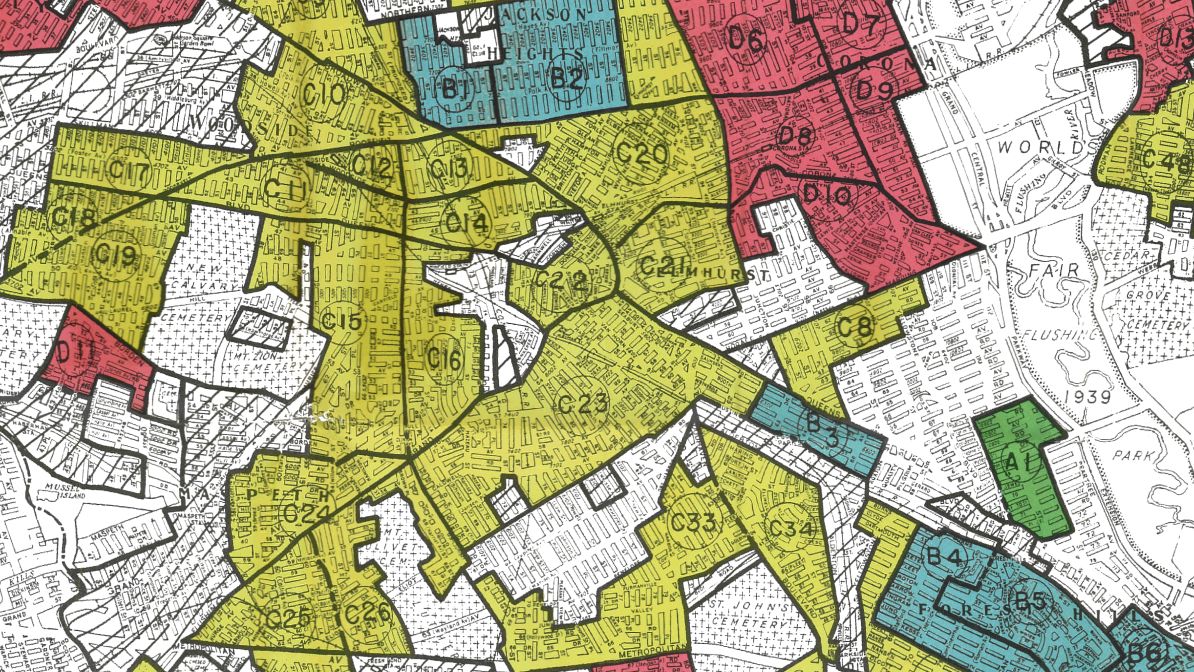
Housing discrimination based on race, religion, and national origin was rampant in the U.S. for most of its history. Practices like redlining, racial covenants, and exclusionary zoning systematically segregated communities and denied minority groups equal access to housing.
The Fair Housing Act passed as Title VIII of the Civil Rights Act of 1968, was signed into law on April 11, 1968, just days after the assassination of Dr. Martin Luther King Jr. Initially, the law prohibited discrimination in the sale, rental, and financing of housing based on race, color, national origin or religion. A 1974 Amendment expanded protections to include sex (gender). The 1988 Fair Housing Amendments Act further expanded protections to include disability and familial status (e.g., presence of children under 18).
Since then, fair housing enforcement has evolved to address:
While certain political forces seek to weaken or overturn the FHA, the FIC remains committed to defending the spirit of the law: equal opportunity, protection from discrimination, and the right to live in safety and dignity.
Under the federal Fair Housing Act and related civil rights laws in the United States, it is illegal to deny or restrict housing based on certain protected characteristics, including:
These protections apply not only to landlords and property managers, but also to any group offering housing or membership to the public—including intentional communities listed on our platform.
Please note: Some states and local jurisdictions extend protections further, covering additional characteristics such as marital status, age, income source, or political affiliation. We encourage communities to be aware of both federal and local fair housing laws applicable in their region. We are required to honor all protected classes even if your state does not extend protection.
Even when the goal is to remediate systemic harm, if a publicly advertised housing opportunity excludes persons based on one or more protected classes, it violates Fair Housing law.
Therefore:
The FIC’s work is rooted in the power of community to heal, transform, and protect. We know many intentional communities are born from a desire to create safe, liberatory, and affirming spaces—especially for people who have been historically harmed by systemic injustice. We affirm this vision.
We also recognize that the federal Fair Housing Act creates legal boundaries. These laws apply even when the intent is protection or reparation, such as Black-only or queer-only communities.
Yes, this is frustrating. Yes, this can feel like justice denied. And yet: this law still protects many from being excluded, evicted, or erased in the broader housing market.
Our goal is to navigate this tension with care, integrity, and courage.
FIC’s Diversity Statement states:
“We value the diversity of viewpoints within the intentional communities movement and support the healing of our unconscious and/or unintentional negative impacts on people and the planet; we do not support communities that cause or promote harm to others.” (Read full statement)
This means we are committed to fostering inclusive, justice-oriented communities—and also to not perpetuate harm by how we support and represent them. This includes respecting the legal frameworks that protect people’s civil rights, even when those frameworks fall short of the transformational change we know is needed.
We believe the Fair Housing Act should support – and not block – communities created for safety, solidarity, and cultural survival.
We advocate amending and/or reinterpreting the law in ways that recognize the difference between:
FIC supports:
…as long as they are voluntary, member-governed, and designed to provide safety, affirmation, and cultural survival for vulnerable groups in a society that has often denied these basic needs. These communities are acts of resilience, resistance, and self-determination in the face of systemic oppression.
The FIC does NOT support communities organized around preserving dominance, excluding marginalized people, or reinforcing systemic inequities. For example, white people, as a group, have historically held structural power in housing, land, and governance. Therefore, whites-only communities are contrary to FIC’s mission of equity and belonging and will not be listed in our directory.
Here are some options for solidarity communities to stay aligned with both their own values and the FIC’s legal and ethical obligations,
We know it can be painful to feel that the law doesn’t yet make room for the kind of justice and healing many communities need and strive for. We also know that intentional communities have long been places where new systems are dreamed, tested, and lived—and that we can still live our values within the constraints of the current legal landscape.
FIC’s ongoing commitment is to…
We welcome your feedback, your questions, and your creativity. We know this issue touches on deep longing, hard truths, and courageous visioning—and we’re here to walk with you through it.
Keep the conversation going with these pieces
There are no available blogs
Subscribe to our newsletter for fresh stories and community updates delivered to your inbox.
Get unlimited access to courses, exclusive member events, and a supportive network of community builders
Access all courses, books, and premium content
Member-only workshops and community builders
Member-only workshops and gatherings
We use cookies to improve your experience on our site. By using our site, you consent to cookies.
Manage your cookie preferences below:
Essential cookies enable basic functions and are necessary for the proper function of the website.
These cookies are needed for adding comments on this website.
A residential project: people live here as their primary home.
An institution, business, network, or project that isn’t a residence (e.g. a learning center, farm, or network with no one living there full-time).

{{ item.label }}
{{ item.value ? item.value : currencyFormat( item.amount ) }}
Subtotal
{{ currencyFormat( pricing_summary.total_amount ) }}
There are no results matching your search