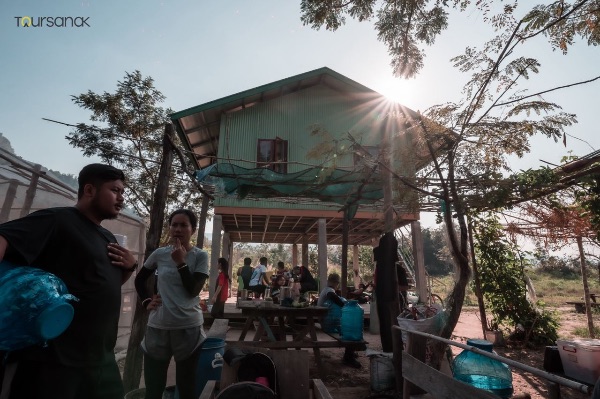
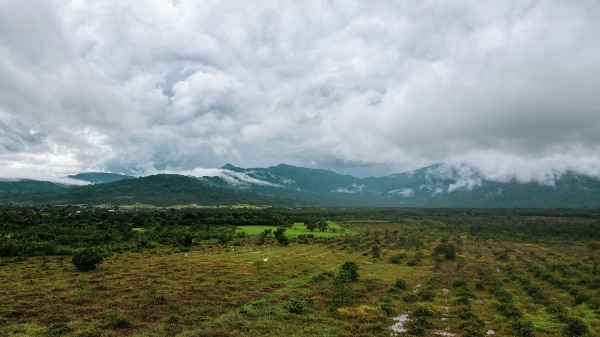
Vitamin Air is a growing group of people who care about the world. We want to make things better socially, culturally, ecologically, and economically.
Our big idea is to inspire others to think about nature differently. We want to teach people how to live in a way that doesn’t hurt the Earth. We also want to help each other and our environment in new and creative ways.
We’re working with the Royal Government of Cambodia to do something amazing. We want to make sure that 60% of Cambodia is covered in forests. We’ll take care of these forests for years to come. We’re using smart ideas from nature and technology to regrow the rainforests.
Here are some things we’re trying to do:
– Use things wisely and don’t waste them.
– Work together with others and our neighbors.
– Get bigger and better so we can help more people.
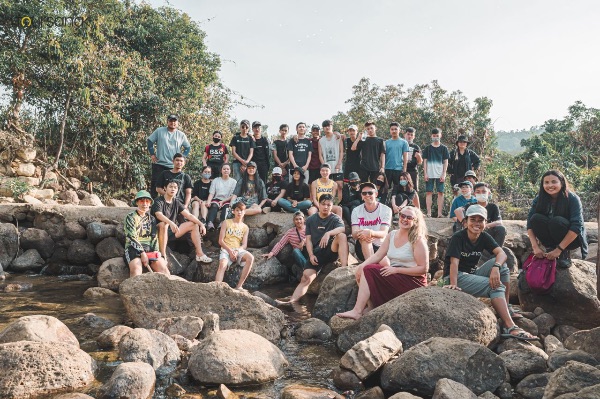
– Teach people about nature through fun workshops and trips.
– Help families who used to do bad things in the forests find good jobs.
– Come up with new jobs for young people in Cambodia.
We do lots of things, like:
– Helping communities grow.
– Farming in a natural way.
– Planting trees and growing baby trees.
– Using drones to help seeds grow.
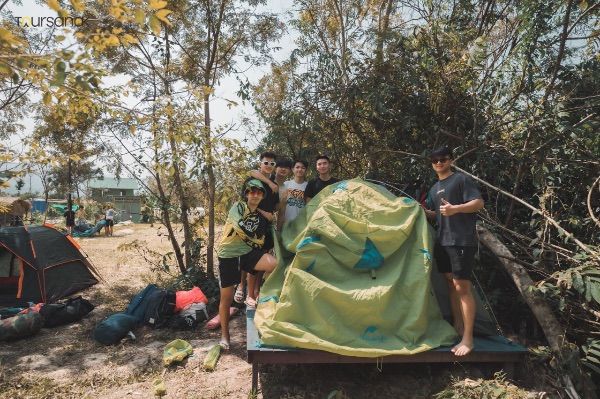
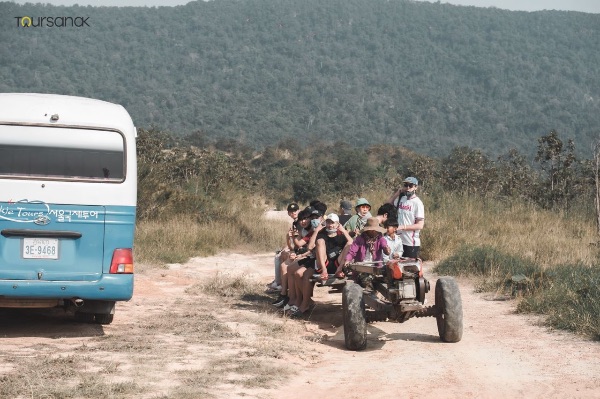
– Going on exciting trips to learn about nature.
– Making clean air, water, and power.
– Finding new ways for people to invest in good things.
We focus on sustainability, sharing knowledge, and promoting growth to create abundance. Our main mission is regenerating forests and setting a positive example for generations to come. By living these values, we aim to ensure a healthier and brighter future for all.
Becoming a member of our community involves a few key steps. By following these steps, individuals can become integral members of our community, actively working towards positive change and a sustainable future.
1. Expression of Interest: Interested individuals express their desire to join our community through our official website or designated communication channels.
2. Orientation: Prospective members attend an orientation session where they learn about our community’s values, mission, and activities. This helps ensure alignment with our goals.
3. Application: Applicants submit a formal application, providing information about themselves, their background, and why they want to join.
4. Interview: We conduct an interview to better understand the applicant’s motivations and expectations, and to address any questions they may have.
5. Approval: Our community reviews the application and interview feedback to make an informed decision on membership approval.
6. Onboarding: Approved members undergo an onboarding process, which includes learning about community guidelines, responsibilities, and opportunities for involvement.
7. Engagement: Members actively participate in our community’s initiatives, workshops, and projects, contributing to our shared goals and fostering a sense of belonging.
8. Contribution: Over time, members are encouraged to contribute their skills, insights, and efforts towards our sustainability, sharing, growth, and forest regeneration efforts.
9. Continuous Involvement: Regular engagement and adherence to community values help members maintain their active status within the community.
10. Feedback and Improvement: We value feedback from our members to continuously improve the community experience and ensure alignment with our vision.
To visit our community, follow these steps:
1. Contact Us: Reach out to us through our official website or designated communication channels to express your interest in visiting.
2. Plan Ahead: Coordinate with our community representatives to schedule your visit. Discuss the dates, duration, and purpose of your visit so we can ensure a meaningful experience.
3. Understand Our Values: Familiarize yourself with our community’s values, mission, and activities to ensure your visit aligns with our goals.
4. Respect Guidelines: Adhere to any guidelines or rules set by our community to maintain a harmonious and sustainable environment during your stay.
5. Engage in Workshops: Participate in workshops, activities, and discussions related to sustainability, forest regeneration, and other initiatives we undertake. Learn and contribute to our shared goals.
6. Connect with Locals: Interact with our community members and local families, exchange ideas, and gain insights into their experiences and practices.
7. Embrace Sustainable Living: Embrace sustainable living practices during your stay, such as minimizing waste, conserving resources, and respecting nature.
8. Explore Nature: Join eco-adventure tours and outdoor activities designed to promote appreciation for nature and our efforts in forest regeneration.
9. Contribute: Share your skills, experiences, and perspectives with our community. Contribute positively to our mission and engage in meaningful discussions.
10. Reflect and Share: After your visit, reflect on your experience and share your insights with others. Consider supporting our initiatives remotely or becoming an advocate for sustainability and forest regeneration.
Visiting our community is an opportunity to learn, grow, and make a positive impact. We look forward to welcoming you and sharing our journey towards a better future.
A few people (not elected by the broader community) make the major decisions.
Generally seek agreement, but have backup methods when consensus isn’t reached.
Power and responsibility are shared relatively equally among members.
In our community, we primarily utilize a Modified Consensus decision-making method. This means that while we aim for everyone to agree on decisions, we understand that there might be occasional exceptions or fallback options to ensure progress and effectiveness.
Yes, our community does have identified leaders. We have a diverse group of leaders who contribute their skills and insights to guide our community’s initiatives and activities.
Our core leadership group plays a crucial role in steering the community’s direction. They facilitate discussions, coordinate projects, and ensure that our values and mission are upheld.
We believe that distributed leadership and collaborative decision-making empower each member to contribute to our shared vision. This approach fosters inclusivity, creativity, and accountability, enhancing the overall strength of our community.
Members maintain separate personal finances with minimal sharing.
Regular fees: $50
Labor: Encouraged or suggested (5 hrs/week)
Members with pre-existing debt: allowed
Fair share contributions.Our community welcomes members without requiring a fee or buy-in. Regular dues of approximately $50 per month are contributed by members to share expenses, while a collaborative approach to labor and an open-minded stance on pre-existing debt foster cooperation.
Common House, Garden(s), Greenhouse(s), Vehicle Share, Library, Workshop, Outbuilding(s), Swimming pond or pool, Outdoor Kitchen, Large Scale Kitchen, Tractor & Farm Equipment, Gym or sports area, Internet
Countryside locations with significant distance from urban centers.
Private homes with shared common facilities, designed for neighborly
interaction while maintaining independence.
Shared living spaces with private bedrooms/bathrooms and communal
kitchens, dining, and social areas.
Cooperative housing primarily for students, often with shared chores,
meals, and democratic decision-making.
Integrated communities designed around ecological principles with sustainable living practices.
Communities centered around shared land stewardship, sustainable agriculture, or connection to specific natural environments.
There are no needs and offers
{{ item.label }}
{{ item.value ? item.value : currencyFormat( item.amount ) }}
Subtotal
{{ currencyFormat( pricing_summary.total_amount ) }}
There are no results matching your search